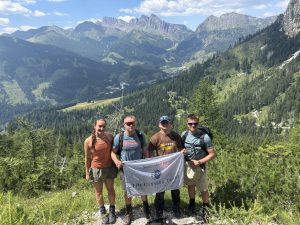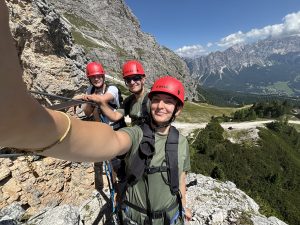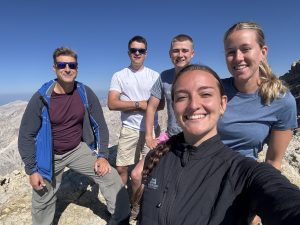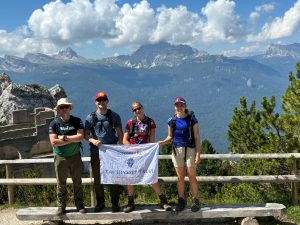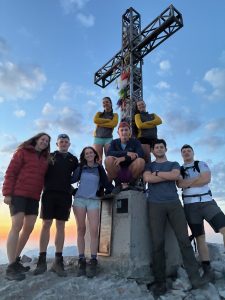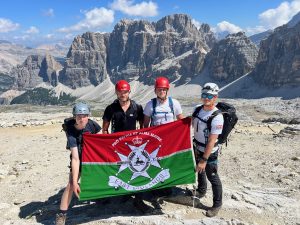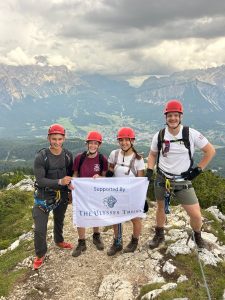
Sixteen Officer Cadets from East Midlands University Officers’ Training Corps spent ten days climbing, hiking, and scrambling through the Dolomites in Northern Italy on Exercise Cadet Mountain Goat. The expedition ran from the 25th of July to the 2nd of August 2026. They pitched base just outside Cortina and explored the Falzarego Pass and the wider Ampezzo Basin areas, testing their fitness and teamwork against arduous mountain terrain with quick changing weather, the OCdts built on they resilience and quick thinking under pressure.
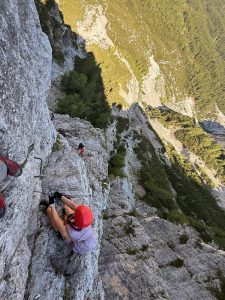
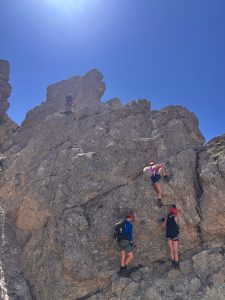
For most of the cadets, this was their first experience of proper mountain terrain outside the UK. The trip combined Via Ferrata (a network of fixed steel cables, ladders and bridges bolted into sheer rock faces), with multi-day hillwalking routes, including an overnight stay in a Rifugio at 2000 metres of elevation. Organised entirely by two Officer Cadets themselves, the expedition was designed to build on the Summer Mountain Foundation qualifications that many participants already held, whilst also opening doors to adventurous training for those who had never tried anything like it before.
Why the Dolomites? The Expedition supports the unit’s wider ambition to give cadets access to the sort of demanding, rewarding training that reflects what the British Army can offer, while keeping costs affordable for students to ensure as many OCdts can experience Army AT. Beyond the adventure itself, our aims were primarily: to build individual skills in leadership and resilience, to give aspiring instructors real logbook experiences towards future qualifications, and to encourage new members of the unit to consider taking up adventurous training and instructor courses themselves.
Ten Days, multiple routes, one overnight stay and a lot of fun. After flying into Venice and driving to our campsite near Cortina d’Ampezzo, the groups split into two. The first group spent the first three days on a hillwalking programme that included a two-day mini expedition with an overnight stay in a mountain refuge. The second group started their first three days tackling Via Ferrata routes under their instructors, starting with some C1 routes building their way up to C5 some of the hardest routes in the Dolomites region on their final day. After three days both groups swapped, so that everyone got a chance to experience both before finishing with a final group hike on the last day.
The Dolomites Mountain terrain did not make it easy. Via Ferrata routes in the Dolomites are notorious for their exposed ridgelines, cadets contending with long days at altitude, unpredictable mountain weather and the physical toll of consecutive days on foot with kit on their back. One specific example of this happened on the second day of the hillwalking group, when they had summited their peak for the day suddenly, the weather turned into a huge thunderstorms and lightening. The group had to act quickly as they were massively exposed on the ridge line, and our entire way down were boulders and sharp rocks that were now extremely wet and dangerous. The group acted fast but with caution, they spaced out and carefully descended from the summit ensuring they could always see each-other.
What the cadets learned: Officers and instructors on the ground reported a marked shift in the confidence and self-reliance of the group over the ten days, as cadets who had never handled mountain terrain before found themselves navigating exposed ridgelines and supporting each other through fatigue and nerves.
One cadet said:
“I was extremely nervous before coming on the trip as I had never done any climbing or Via Ferrata, however on the second day my instructor was so encouraging I’d forgot entirely about nerves and can’t wait to go back and do some more!”
Another said:
“Being the 2IC of the trip I was ecstatic to get to the Dolomites and finally get our trip going; with the hopes of completing my MLT this trip really solidified this for me, it allowed me to add to my logbook and gain valuable experience from our instructors.
Impact on the Unit: Exercise Cadet Mountain Goat has already fed directly into East Midlands UOTC’s development of future adventurous training capability, giving several OCdts the consolidation days they needed towards higher mountain qualifications. The unit expects the expedition will encourage further interest in instructor training and strengthen the pipeline of qualified leaders to be able to run adventurous training in the future. With OCdts already expressing their interest in completing further courses.
Looking ahead: With the Ulysses Trust’s support, East Midlands UOTC was able to keep the expedition accessible to a wide cross-section of the unit rather than restricting it to OCdts with the most experience. The organisers hope Exercise Cadet Mountain Goat will only be the first of more expeditions to come as OCdts gain confidence to lead. Finally, a massive appreciation to the Ulysses Trust as this trip truly would not have been possible without your support. On behalf of the OCdts at EMUOTC we all are extremely grateful for your continued support to enable us to have these experiences whilst at University whilst giving us a great insight into what the Army adventurous training can offer.