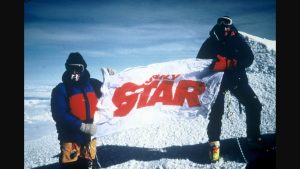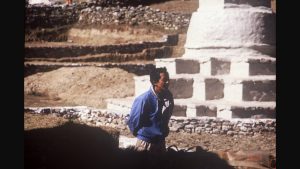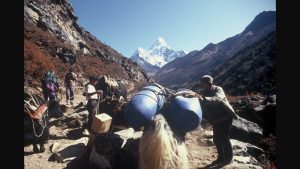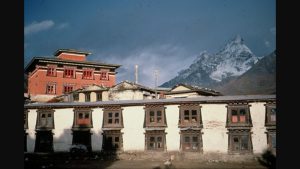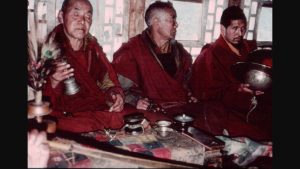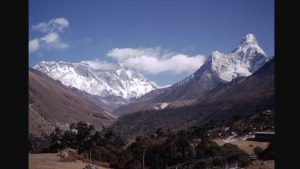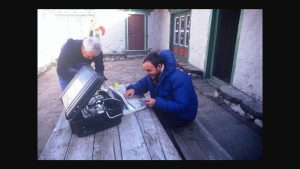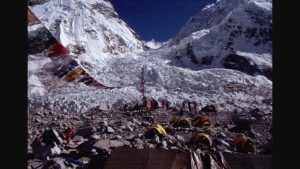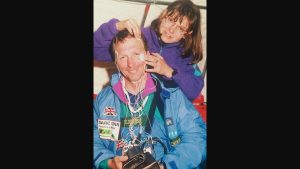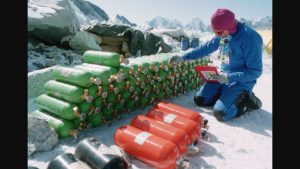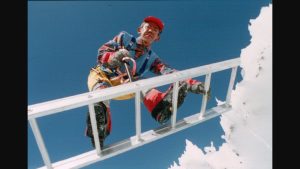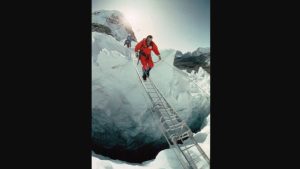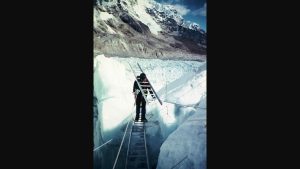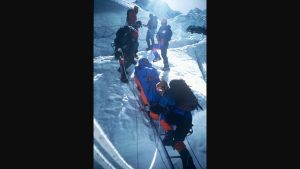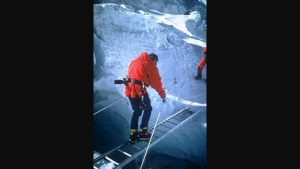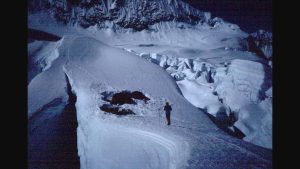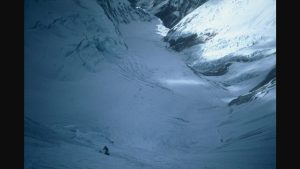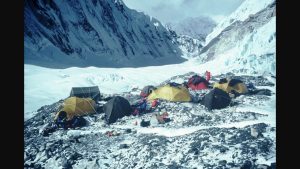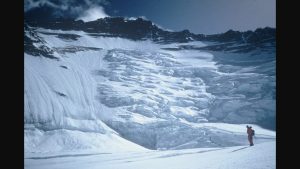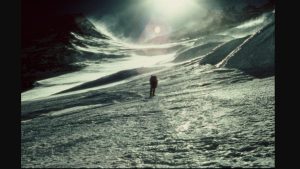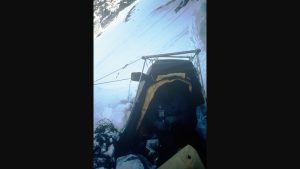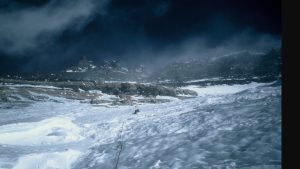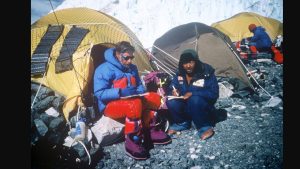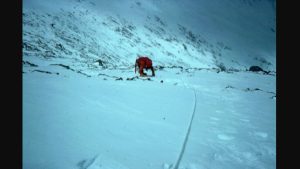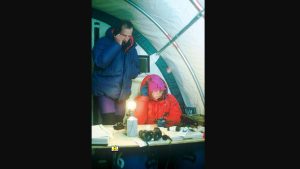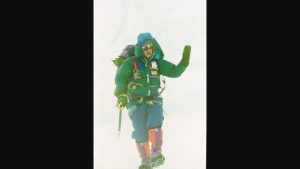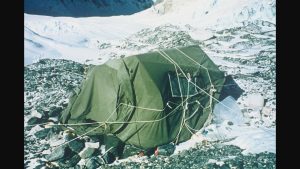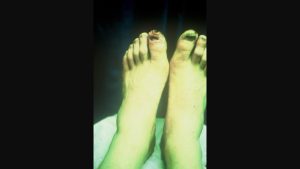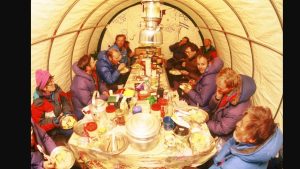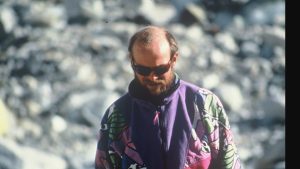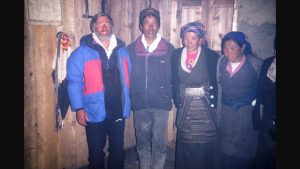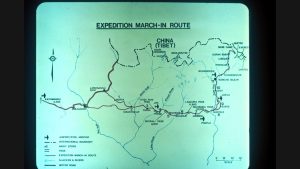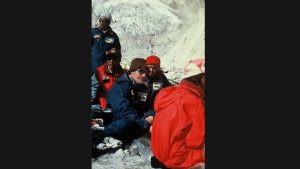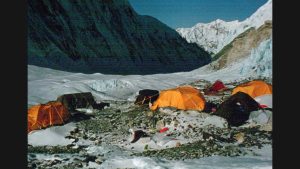
The story began when Ian Woodall, a member of a Light Infantry Territorial Army battalion, proposed something exceptionally ambitious: a Reserve Forces expedition to climb Mount Everest in winter.
The idea had plenty of ambition, but the scale and danger of attempting the world’s highest mountain in winter meant considerable work was needed to make it a viable expedition.
Two members of 21 SAS, Lionel Fairweather and Barry Mills of A Squadron, joined the early discussions. Their Officer Commanding, Rod Stables, subsequently helped transform the initial idea into a realistic operation.
Project DarcStar was born, with the team preparing to attempt Everest in the depths of winter. Three previous winter expeditions had tried, all resulting in at least one death.
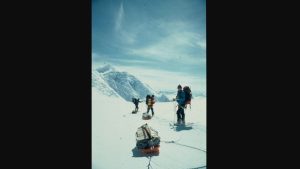
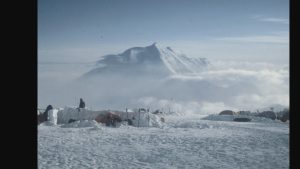
Under the guidance of Phil Neame, then Commanding Officer of 10 Para, the expedition introduced a demanding selection process influenced by Special Forces principles. Snowdonia, the Scottish winter and Mount McKinley in Alaska were among the testing environments used to assess judgement, resilience and the ability to operate in extreme conditions.
One of the expedition’s greatest challenges was funding.
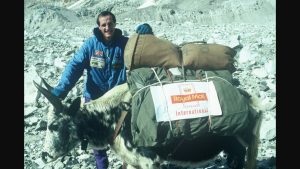
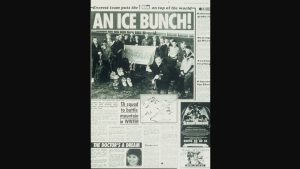
Despite securing support from organisations including The STAR, News International, Royal Mail and Waitrose, a significant funding gap remained. The risks associated with attempting Everest in winter made securing commercial sponsorship particularly difficult.
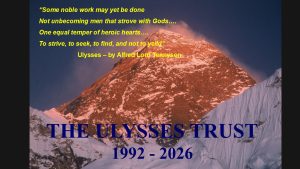
Phil Neame and Rod Stables therefore established a charity to help manage donations to the expedition. They called it Ulysses, inspired by the mythical warrior and adventurer celebrated in Alfred, Lord Tennyson’s poem Ulysses.
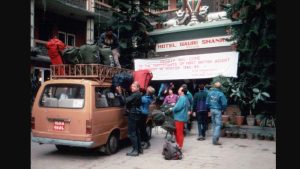
Ian Hannam, who had A Squadron heritage and was serving as Regimental Signals Officer with 21 SAS while working at Flemings merchant bank, then helped develop an innovative fundraising solution. Eight international banks were invited to donate £25,000 to the Trust, and each could send one banker to Everest Base Camp with the expedition.
The approach helped make the expedition financially viable.
There was another challenge too. Flemings wanted a world record from the expedition.
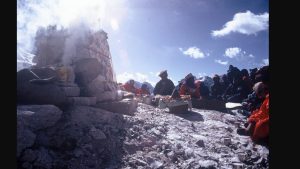
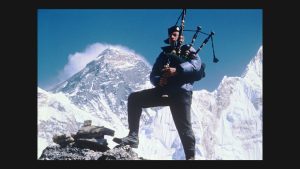
Bob Vowles, the de facto 21 SAS Regimental piper, escorted the bankers to Base Camp before climbing Kala Patthar at 5,644 metres and playing the bagpipes with Everest behind him, achieving what was believed to be a world record for the highest bagpipe performance.
The expedition deployed in late 1992 and returned in January 1993. Although the team did not reach the summit, it achieved a British winter height record and became the first winter attempt on Everest to return without loss of life.
Just as importantly, the experience developed the leadership, resilience and trust that would become central to the future of The Ulysses Trust.
The Trust could have ended when the expedition did. Instead, Phil Neame, Rod Stables and Ian Hannam saw an opportunity to create something with a much wider impact.
With guidance from Colonel David Mallam, the Trust’s first Honorary Secretary, and trustee Clive Richards, the decision was made to support future Reserve Forces expeditions. This mission was subsequently extended to include the Cadet Forces.
That decision created an extraordinary legacy. As of October 2026, the Ulysses Trust has since provided more than £4 million in grants, enabling nearly 50,000 cadets and reservists to participate in more than 3,500 expeditions.